


I am so looking forward to the day when my mornings aren’t split between two houses, two sets of critters, and one coffee maker. At the very least, there should be two coffee makers. Or three. Or seven. (Perhaps I should put one in every stall, or just get an IV.)
Complaining aside, we are making progress. Jeremiah has been putting in ten hour days out there. In the past week, he has managed to almost completely reorganize the main barn, utilizing tool sheds to store things in rather than the aisle ways. It’s looking fantastic. I’ve been reorganizing the feed room, and that’s going more slowly. Partly, that’s because I’m not a working maniac like he is. Partly, it’s because my task involves organizing hundreds of small things rather than tens of big things. (Checking expiration dates on medicines, etc has eaten up hours by itself.)
I have nine chickens moving in before the end of the month. A friend of a client had to rehome her flock. All are under two and good layers, and they asked me to take them. I’m actually pretty excited about it…and oddly terrified that I’ll be a terrible mother hen (not to be confused with THE mother hen of motherhendiaries). (I’ll be honest, I have no idea what I’m doing with chickens. Somebody walk me through a day in the life, because the books I’ve read tell me a lot about splay leg in chicks and various mite solutions, and not very much at all about what to feed the darn things or what kind of waterer to get!)
The house, well, it is mostly just sitting there, being a house. Between the barn eating up all of our time, and the little house renovations eating up ALL of our money and the rest of our time (we’re only $5,000 over budget so far…if I had known how much it would take, I’m not sure we would have renovated that place or had someone planning to live there), we’ve had little of either for the house we’re actually planning to live in. We have a new window purchased for the living room (it’s beautiful!), but it’s sitting in the living room until we can afford to install it. The new floor for our bedroom is bought and paid for and should be delivered to Lowes later this week. (The carpet that had been in the bedroom had to go. My allergist pretty well insisted that I get rid of any carpet…especially carpet that has been down for probably 20 years.) Some of the paint is purchased, but not applied. (I have some lovely people coming to help us paint on July 3rd! Yeah volunteers!) One of these days, I’m almost sure of it, we will move in. When that happens–well, first I will cry because I will truly, truly miss our first home–but then I will sing from the mountains. AND BLOG!
We’re planning to go out of town for a friend’s wedding this weekend (Friday and Saturday), but I have my parents looking after the dogs and Jeremiah’s little sister in charge of the big critters. Everything will be safe and sound while we’re away, and everything will start up again when we get back.
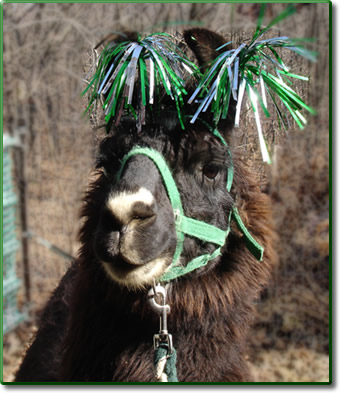
Finally, so to not disappoint, here’s a llama wearing a hat.
When you have as many critters as I do, there is no need for an alarm clock. They will usually wake you at around the same time everyday, regardless of what time you went to bed.
Meet my alarm clocks.


As much as I, or my husband, or the dogs, would like to believe otherwise, these three rule the roost. Every morning, usually between 6:30 and 7:30, these three begin singing the songs of their people outside the bedroom door, reminding us that an unacceptable number of hours have passed since their food bowls have been refilled. Continue reading “Feline Alarm Clocks – Introducing Dobby.”
The past few days have been exceptionally busy, even for me. With my guy gone (for the last four days) I was handling everything from the house and dogs to the llamas and horses (including our new boarder). And that was on top of preparing for vacation, hammering out the details of an aircraft sale, and all the normal house chores, like dishes and laundry. We did get a $60 city code citation (apparently our grass was too long at the Heights house) while he was gone, and the sump pump stopped working without me noticing (so the basement at the Heights house flooded…a little), but those issues aside, I would say that I successfully negotiated the craziness. Mostly. I mean, everyone is alive and well. And I had help.
For the past few days, I’ve stolen Jeremiah’s little sister (who is still in high school) and dragged her out to the farm with me. She loves the horses and the llamas, and they love her. Plus, the feral barn cat (who I aptly named Will Ferrell (Feral) because you get to say things all day like “Will Ferrell is peeing in the garden again” or “Has anyone seen Will Ferrell in the barn today?”) has befriended her and lets her pet him. He will let no one pet him.
Despite all of the relative craziness, we’ve gotten a lot done. Cleaning the runs outside of stalls, planting, and finishing up a good chunk of my tack room…the two of us have been busy bees! (Side note, I’ve decided I’m keeping her. She is a lot of fun to have around and so helpful!)
The last few days:
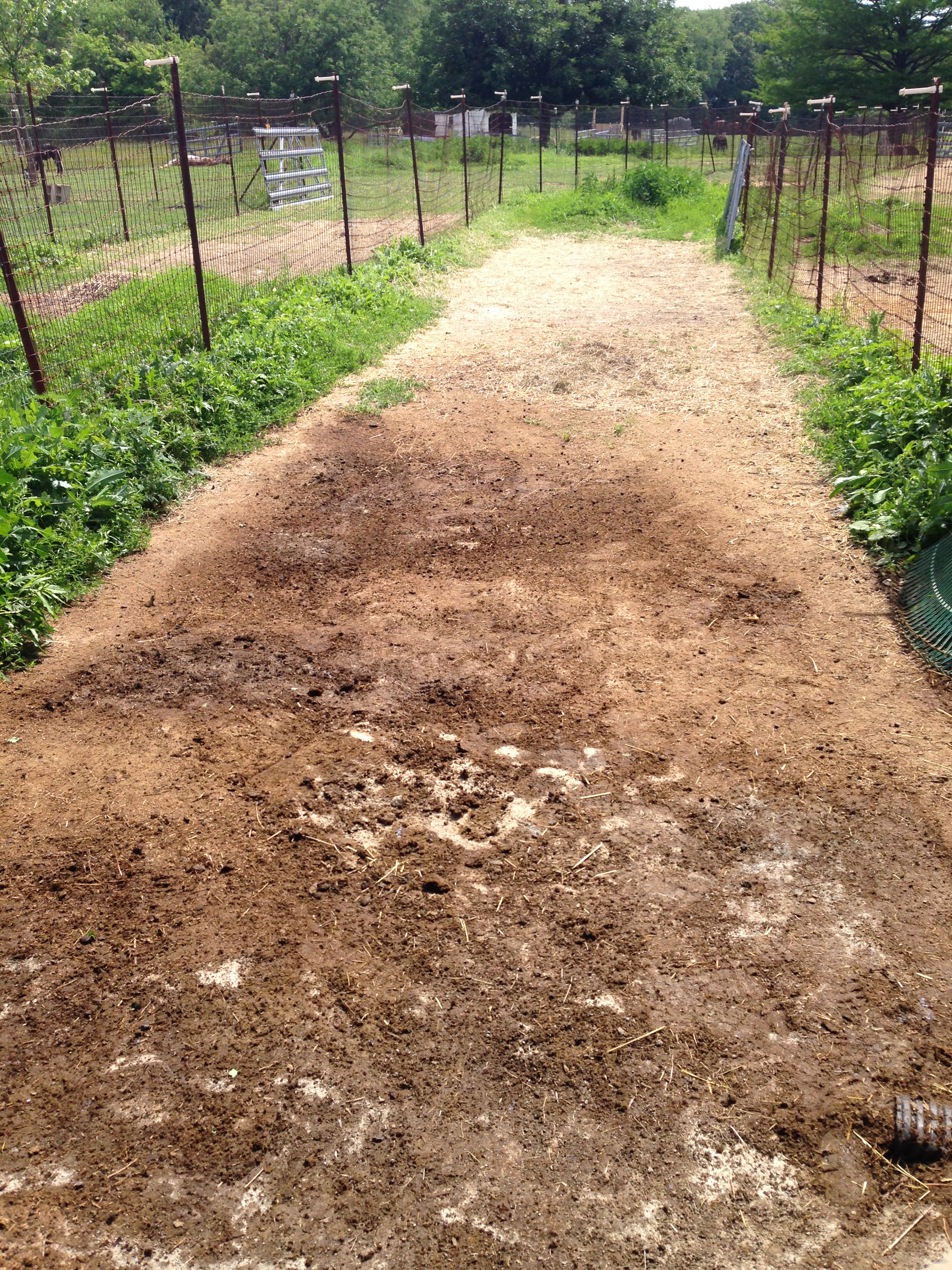
Cleaning pastures.
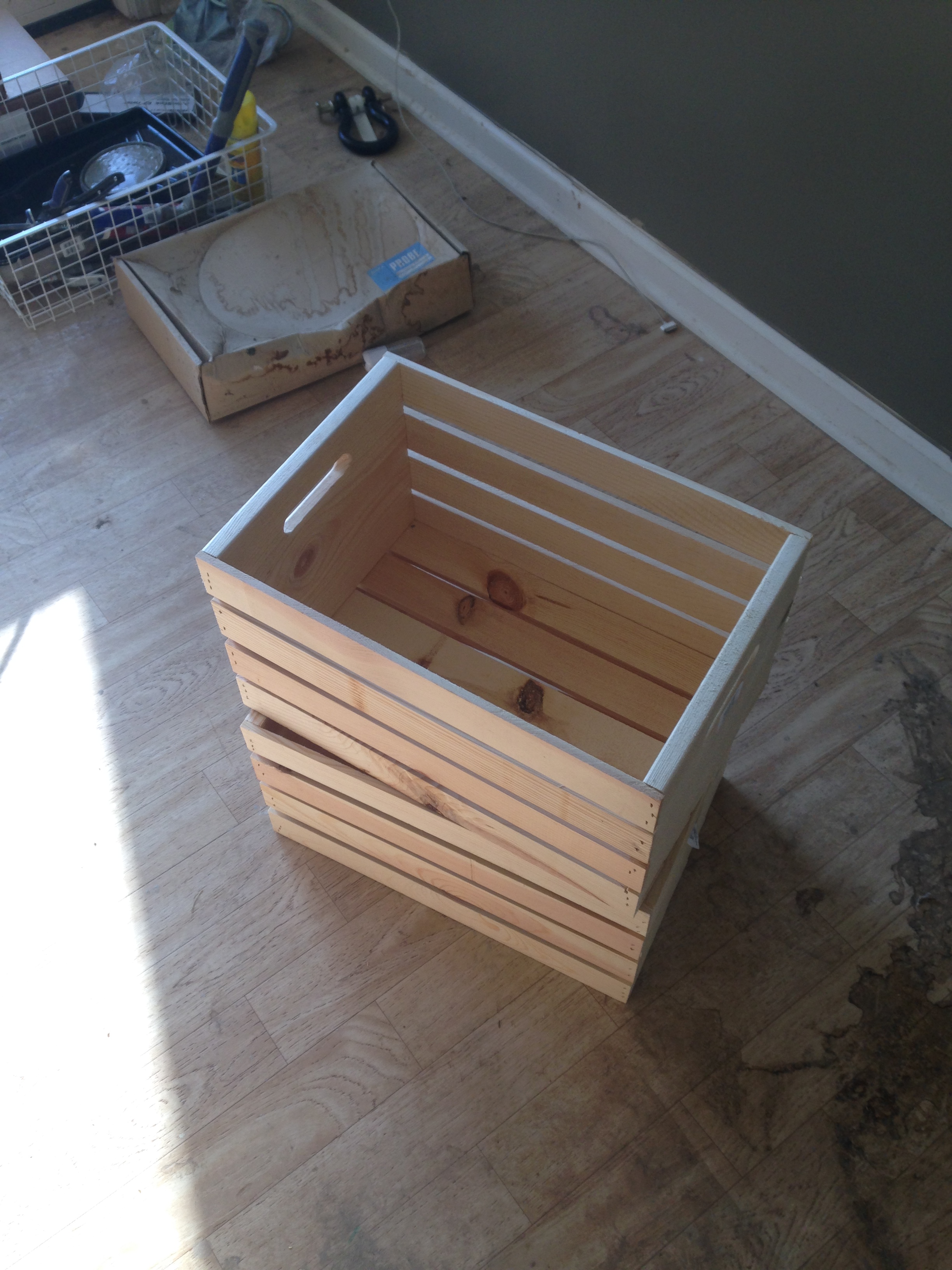
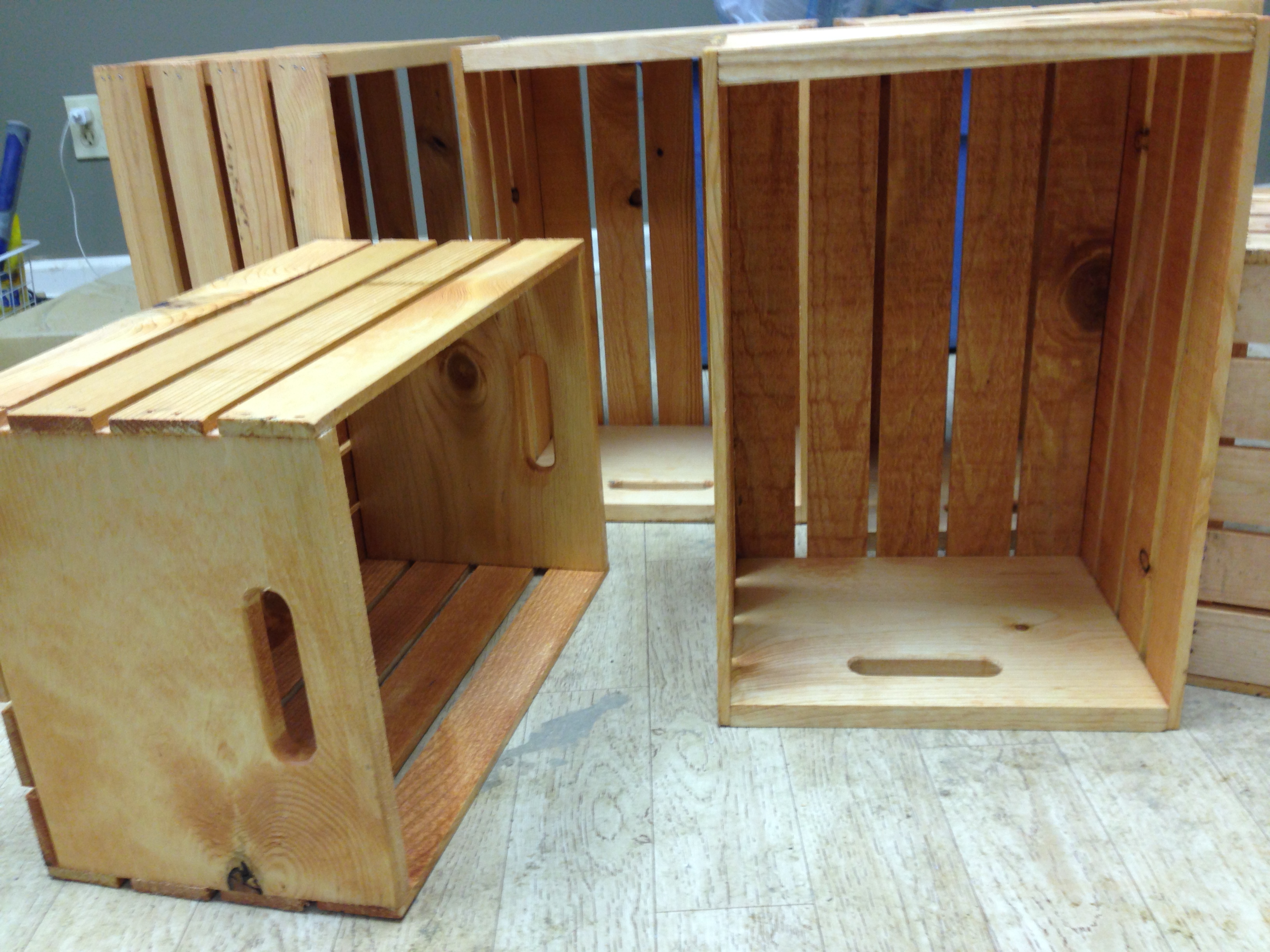
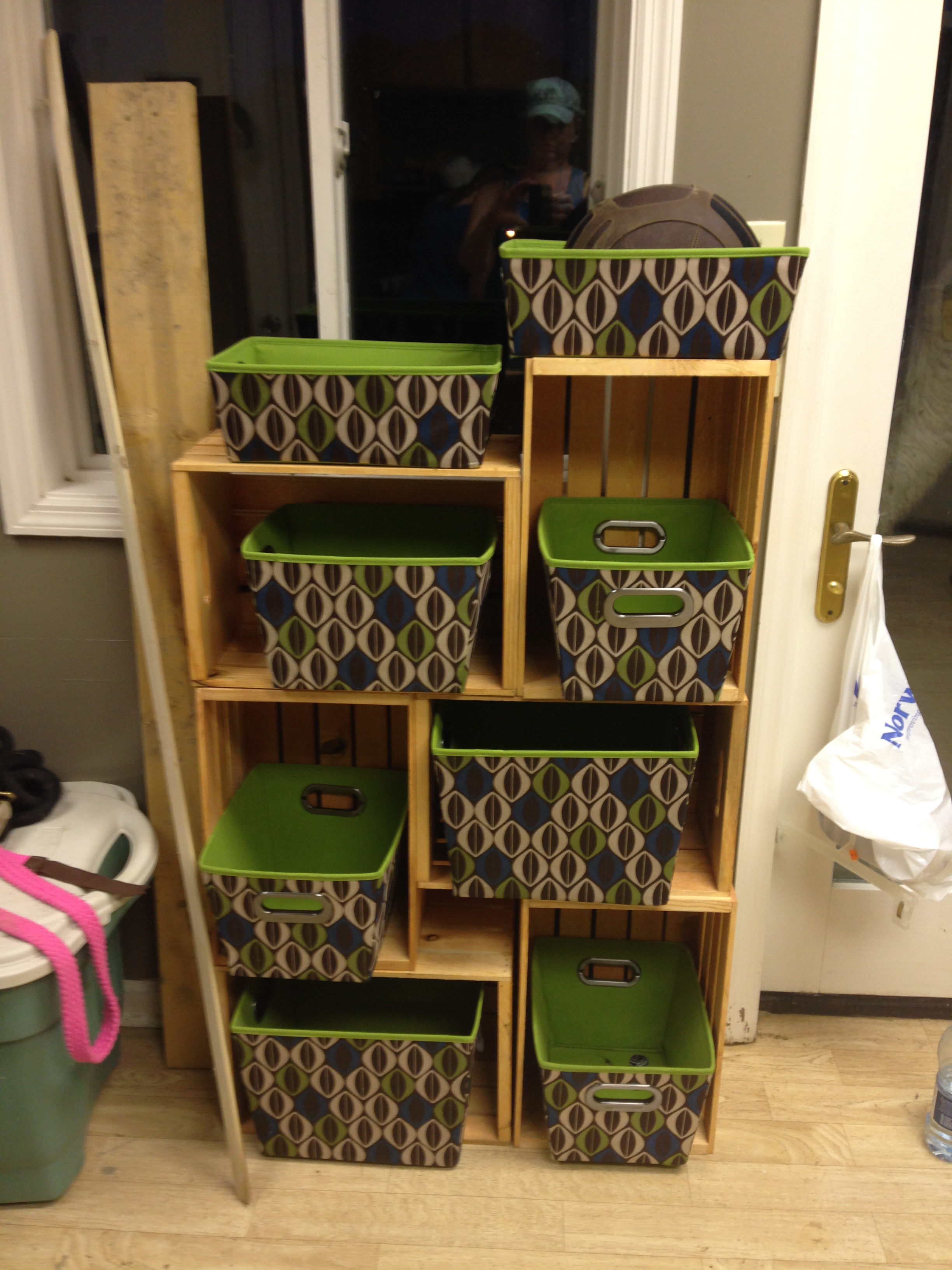
New shelves for the tack room.
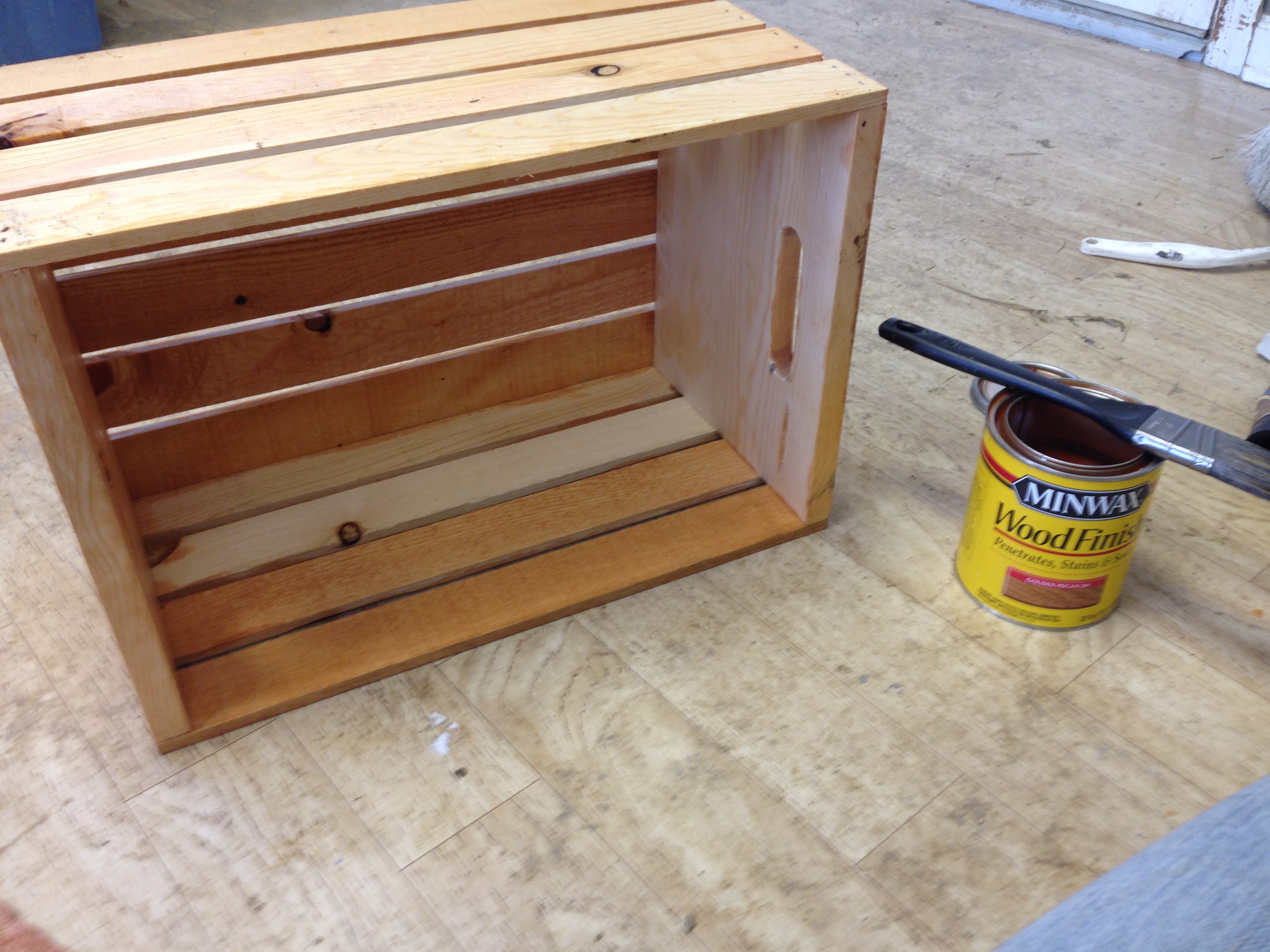
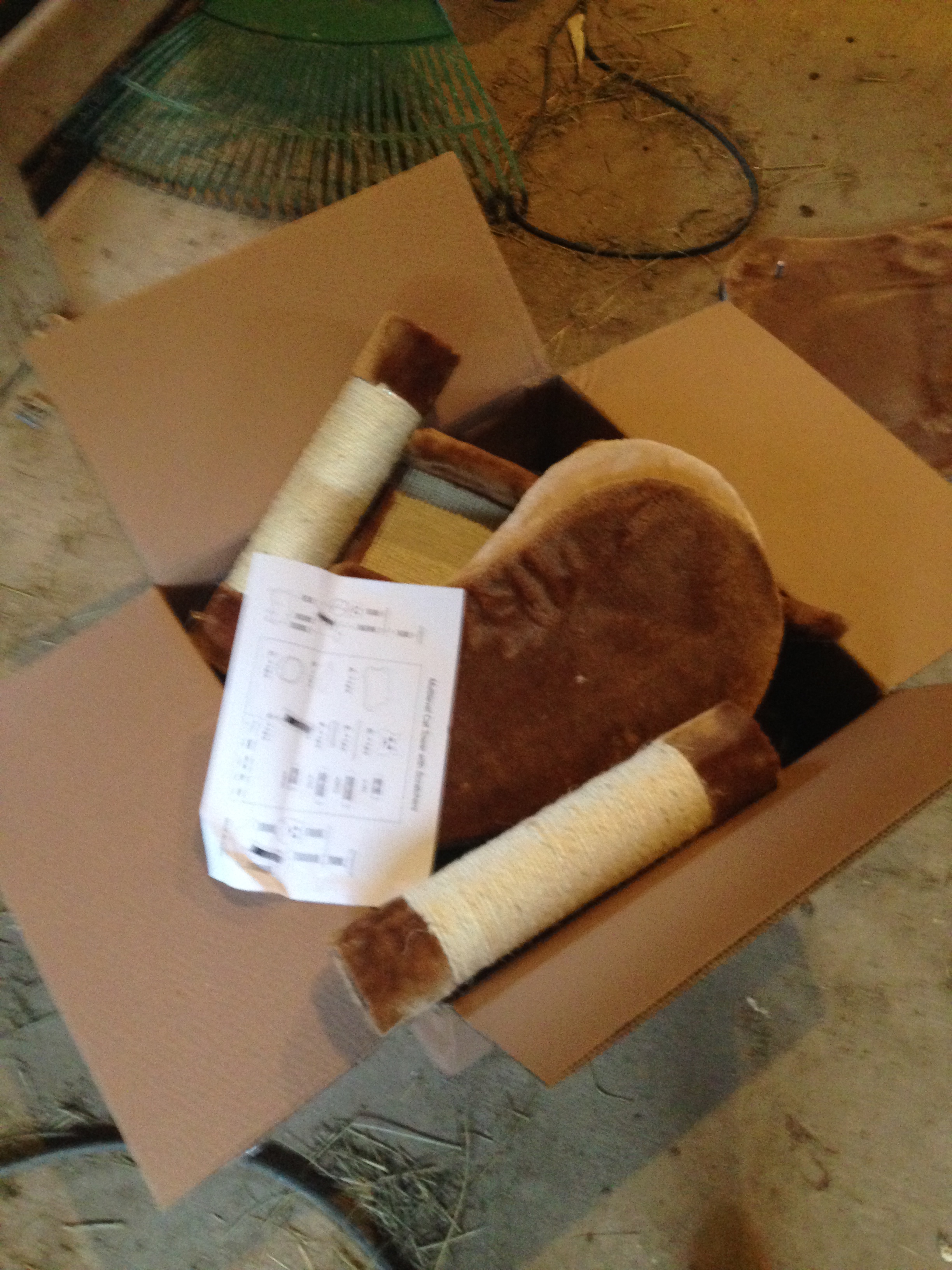
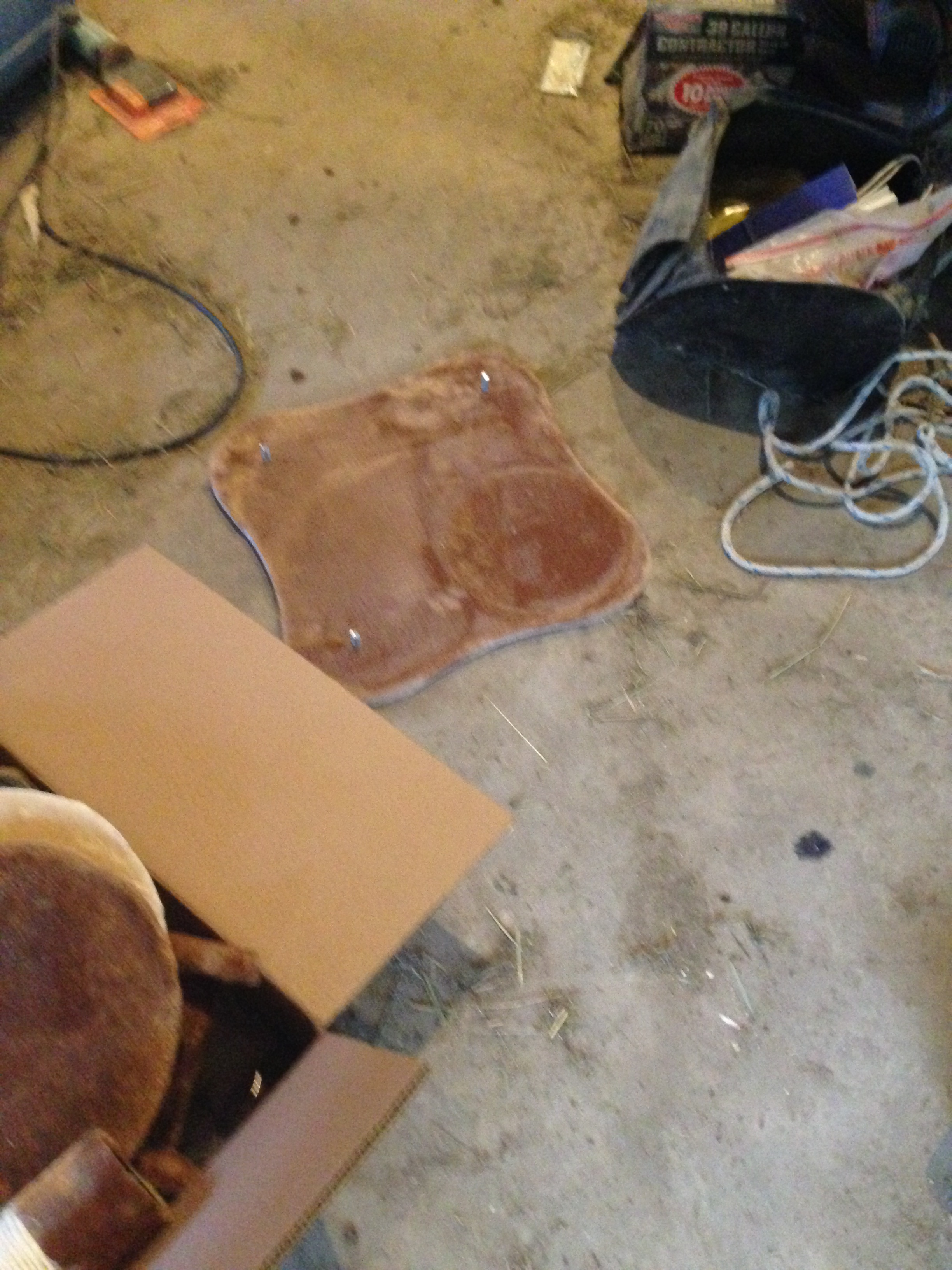
A new kitty tree for the tack room.
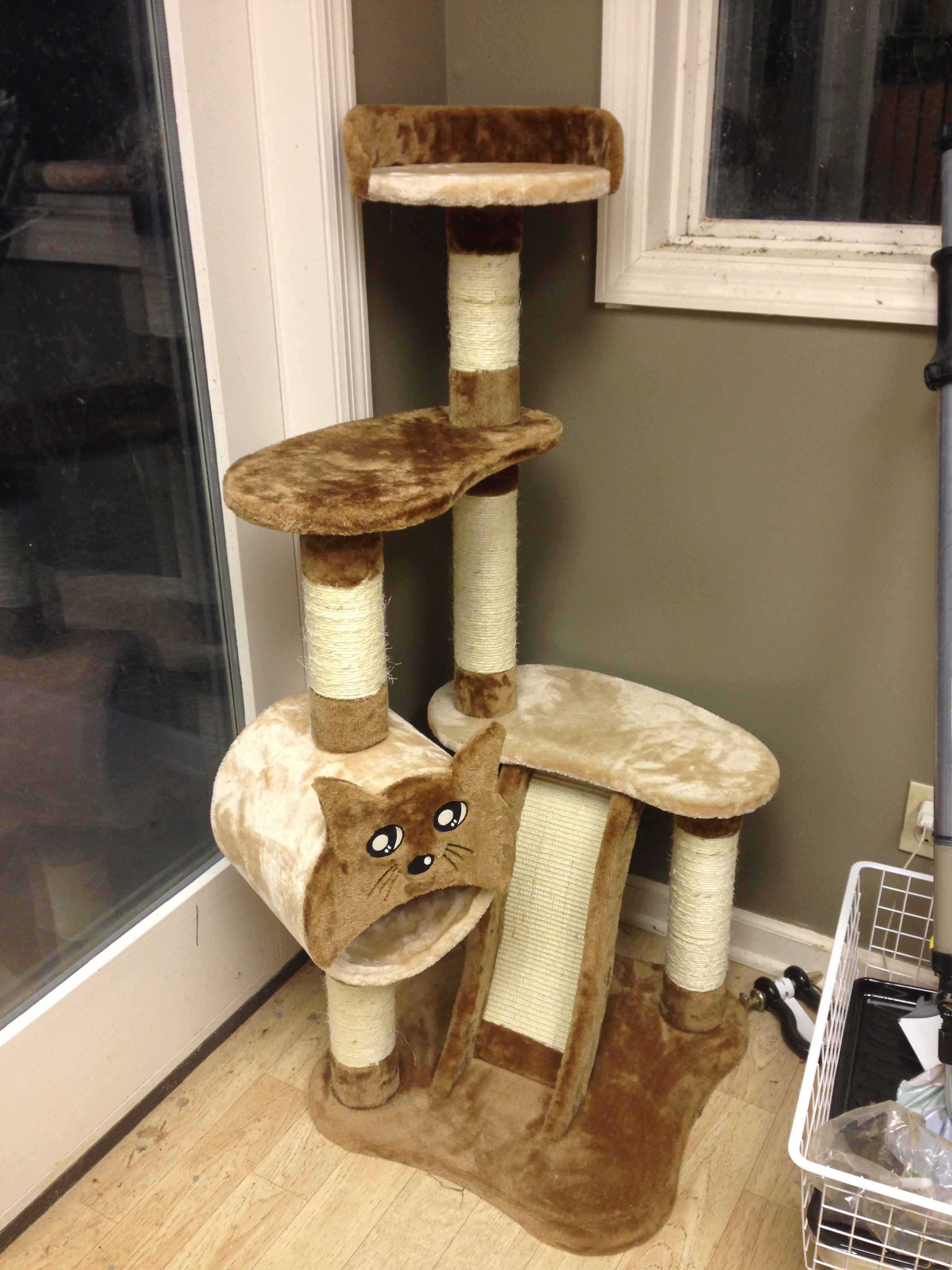

Helper

Oh – And this!

And now I’m off again! There’s plenty to do at the farm before we leave tomorrow (and I’m still working on that sale), but, starting tomorrow, I have a few days of vacation from everything. I cannot wait!
OH – And just a reminder. You can like almostfarmgirl on facebook now. (facebook.com/almostfarmgirl)
Hi Loyal Readers (all…5?…of you?)
Just so you know, I’ve expanded my web presence as almostfarmgirl to facebook. Mostly, this is to add additional photos and videos to what I’m already doing on here. (Ever heard an alpaca’s warning cry? The video is already up.) 🙂
Thanks guys.
In addition to the twenty-eight llamas and alpacas at our place, Jeremiah shears roughly a dozen llamas and alpacas for other people. Some of them are better than others. A few stand as well as our own. Several fuss a bit. (I have a few who do that as well.) And a few of them full on freak during shearing. Thanks to one of those “freak out” llamas, I’m sporting several black and blue bruises and a now fading rope burn.
This weekend, I travelled to Northern Illinois with Jeremiah to shear three guard llamas. These particular llamas belong to wonderful sheep ranchers who had employed him last year for the same task. The owners are proactive about their livestock. They take excellent care of their sheep. And, up until my visit, they were largely misinformed about their llamas. In my opinion, their misinformation was perpetuated by the animals’ breeder, either unintentionally due to their own ignorance or intentionally to ensure easy sales.
For those of you who may not know, llamas are often “employed” to guard other livestock. They regularly guard sheep, goats, alpacas, etc, against natural predators. Being strongly bonded herd animals, they can be exceptionally good at this work because they bond with other types of livestock and will consider them to be their herd. And llamas protect their herd. Llamas are especially noted for preventing coyotes from attacking lambs and kids in sheep and goat herds.
As often as not, people who get guard llamas know almost nothing about llamas. They depend on the people who they’re buying the llamas from, or the internet, to fill in sizable knowledge gaps. And as often as not, they do not get accurate information.
When we pulled up to the sheep barn, I noticed that only two of the llamas were haltered. The owners explained how they caught the two llamas laying the halters across the llamas’ food and fastened them while the llamas ate. The third could not be caught.
“So, you can’t approach them?”
“Well, you know, they’re guards. So they aren’t supposed to be too friendly, and we’re not supposed to approach them…”
That right there…
The idea that guard llamas must, for some reason or another, be wild and crazy (or at least distant and unmanageable) is one of the most commonly perpetuated myths in the industry. The idea behind it is that you don’t want your guards to bond to you. They have to bond with the sheep, goats, etc. As such, breeders often slate poorly trained or badly behaved animals for guard duty. These animals often cannot be caught or handled without great difficultly. They are practically impossible to shear. You can’t trim their feet. You can’t vet them.
Oh, and sometimes they throw me into a fence while I’m trying to help shear them. And I don’t like that.
Let me be clear. Llamas, even sheep and goat guards, should be manageable. Training a llama to accept basic care and to lead will not magically remove its instinct to protect its herd, nor will such training magically bond your animal to you rather than its herd.
…
“Well, we were told not to handle them much by the breeder, and I didn’t see anything on the internet to contradict that…”
She had a point. Most of the information out there about llama guards says that they should be largely left alone. So lets bust some internet myths.
Myth 1: Guard llamas have to be mean to be effective.
Truth: Guard llamas have to bond to your herd to be effective. They have to be alert to be effective. They have to be adults to be effective. They should not be mean or unmanageable. They definitely shouldn’t perceive you as a threat to their herd.
Myth 2: All llamas make good guards.
Truth: Some llamas are not meant to be guards. If you’re in search of a guard, look for a fully grown gelding or female. Intact males should not guard other livestock; they will often try to breed them and could hurt them. Former breeding males can also be a poor choice (for the same reason that currently intact males are).
Young animals (under two) should not be considered as guards. Until that age, they are not fully grown. They need to be big enough and confident enough to do the job you’re asking of them. When they’re young, they should be protected by the herd, not the other way around, and it’s unfair to ask babies to protect babies.
Myth 3: If you want a llama to guard, you shouldn’t have other llamas around.
Truth: Llamas will guard together, but it’s probably best if you don’t buy a strongly bonded pair (such as mother and daughter) to guard together.
Myth 4: You don’t have to mess with a guard llama; just let them be.
Truth: This one falls in line with the “they should be mean” myth; “they should be mean,” but “don’t worry. You don’t need to mess with them.” However, just like all other livestock, they need vet care and worming. Toenails need to be trimmed. You have to shear them at least once a year, sometimes more often. “Mean” guard llamas (and they are usually not truly mean so much as untrained) often have their basic care neglected because no one can get near them.
Guard llamas can be fantastic. They will do a job for you, fending for your flocks of sheep or goats, sometimes even giving their own lives to defend your livestock against predators. In return, they should be given quality care, and they should be trained so that care can be given without stressing out you or the animal.
Final note: One last thing people need to realize. Llamas will protect their herd from predators. Unless you socialize them to know the difference, they will not be able to tell the difference between coyotes and the family dog. With proper socialization and training, the two species can and will happily co-exist. Without it, dogs who the llamas perceive as threatening will be treated as such. (And most guard size llamas are more than capable of killing Fluffy….) Yet another reason to socialize and train your llamas.
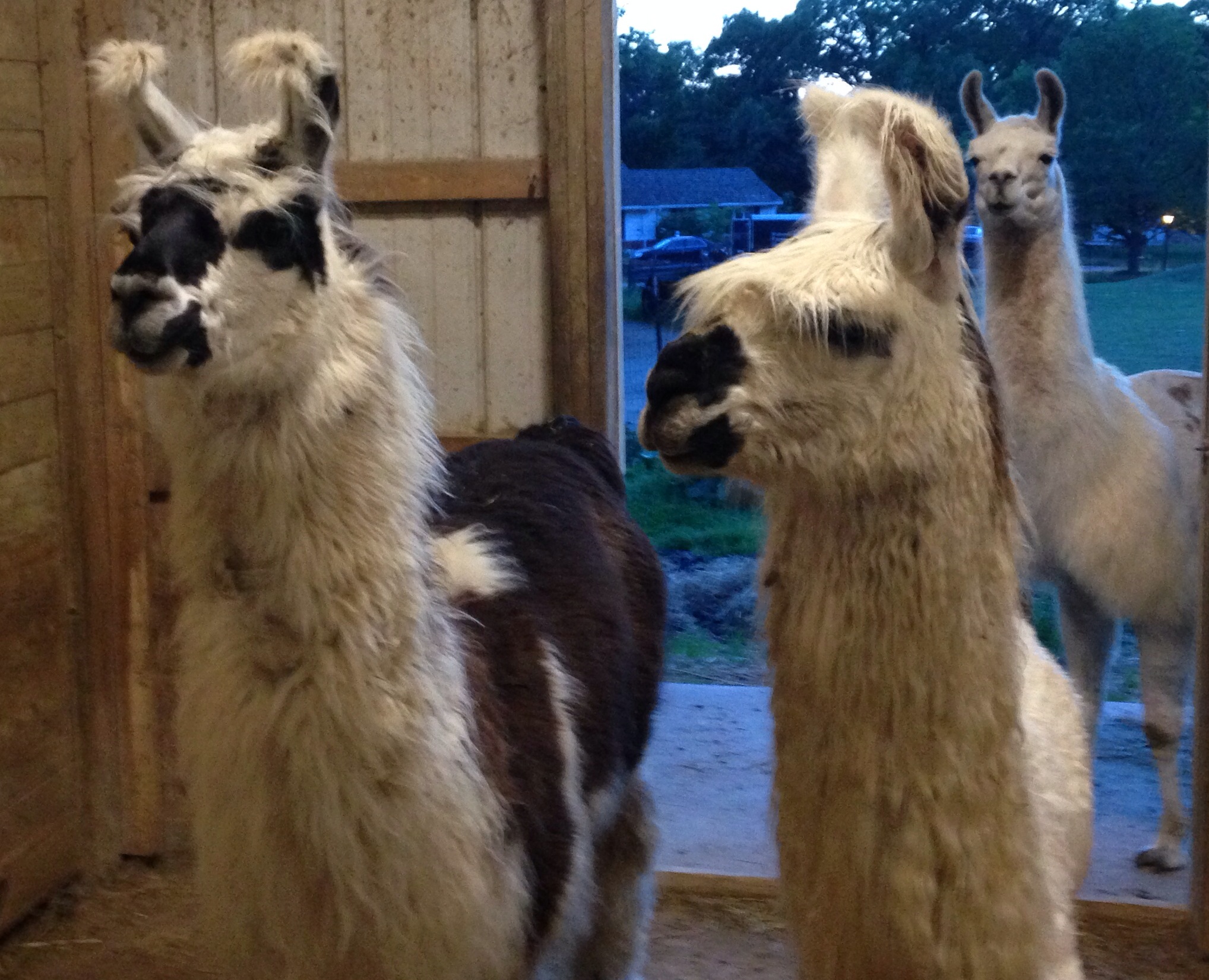
Oh – And for those of you who might be wondering, the sheep ranchers with the three llamas were very excited to learn that their llamas didn’t have to be difficult. They want to send them to me one at a time this summer for some basic obedience lessons.
EDIT: Another llama mama out there (who has a lot of experience with herd guards) pointed out that even bonded pairs sometimes do well as guards. It really just depends on the pair. I should clarify. Bonded or not, the llamas need to be interested in your herd. If they’re interested, they will guard. If they care more about each other, they might not guard well.
As a child, I wanted a horse. I don’t mean casually or intermittently the way many little girls want a horse. I was obsessed. From the age of eight, my life revolved around horses. My favorite day of the week was whatever day I had a riding lesson, and while other little girls had bedrooms plastered with photos of heart-throbs, my was plastered with posters of ponies.
My parents would entertain the idea of a horse for a moment or two, but, as with most people, they always came back to the expense involved in keeping a horse. I remember when I was around twelve, at Christmastime, just when I thought I was making headway on the horse front, my uncle had a conversation with my mother that drilled the final nail in my imaginary horse’s coffin. (For this to make any sense, you need to know that my uncle was a horse trainer once upon a time.)
Mom: “She’s doing really well in lessons. You should see her ride sometime. The trainer says that the next step is a horse of her own.”
(I, of course, was grinning ear to ear with pride, even though the adults were doing that thing that adults do where they talk about you like you aren’t there.)
Uncle: “Oh Lord. Don’t do that. What is she, twelve? When she turns thirteen, she’ll get interested in boys and forget all about horses. I’ve seen it happen a million times.”
My mom sort of glanced at me and nodded, accepting his advice.
And my grin failed.
The truth is, I never did “forget about horses” or get obsessed with boys in the way he predicted. (I’m that freak who didn’t date all through high school and college so that I could focus on my studies…yup…that girl.) I ended up working for the llama ranch eventually, and, when my dad’s business hit a rough patch, I stopped taking riding lessons for a while. In retrospect, I’m glad they didn’t get me a horse, because during that year, when finances tightened up so much, I’m not sure we would have been able to keep it. And that would have broken my heart.
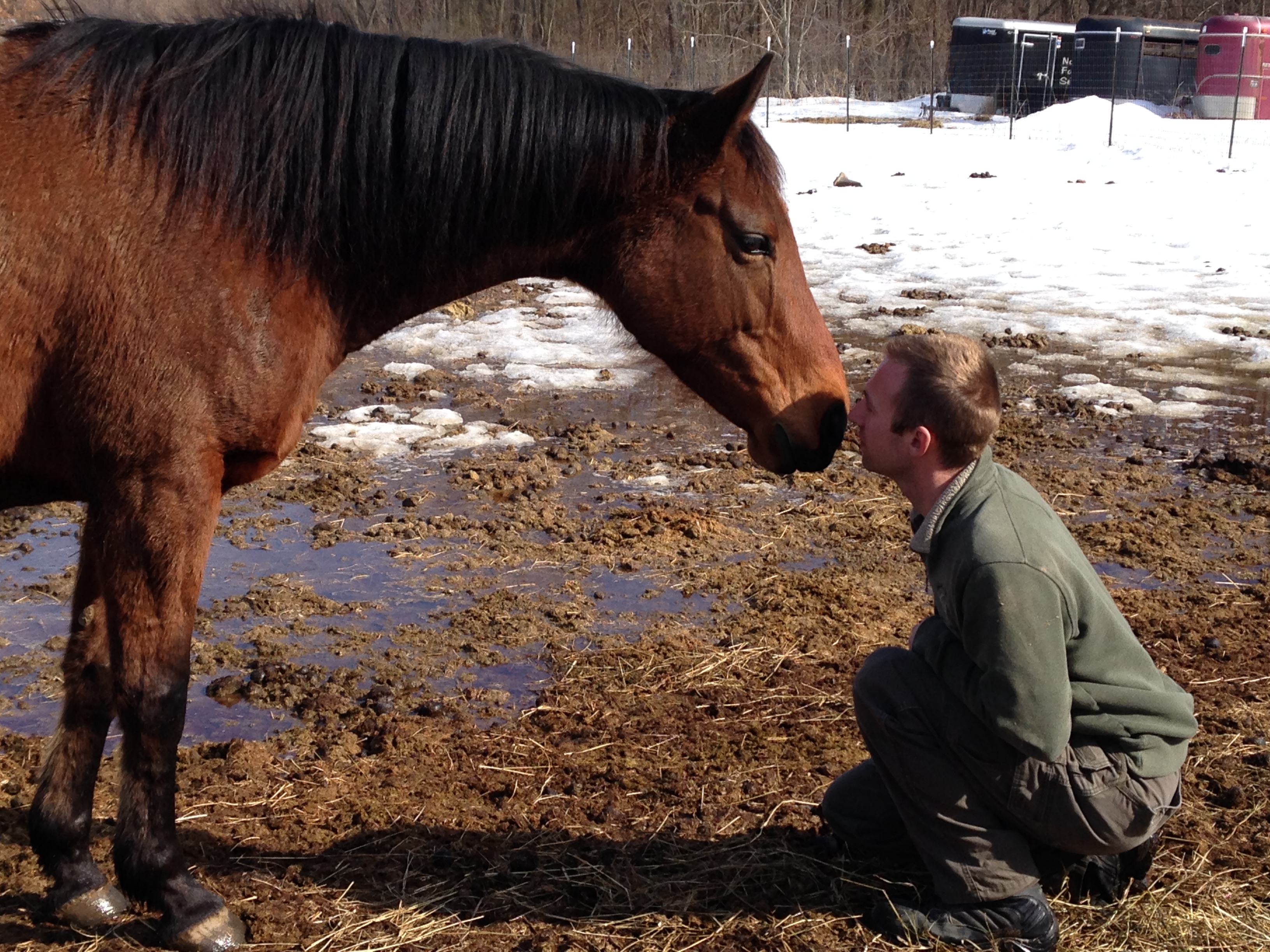
Instead, at 19, I bought my first llama. I think I kind of thought then that the horse dream was dead…or at least on hold until I was much, much older. But then, when I was 23, I finally met that boy that everyone had been warning my mother about since I was 13 (the one who would inevitably make me forget about horses). Turns out, he had a horse…
Can I just start by saying how blessed I am to have such an amazing husband? I know, some of you are probably sick of hearing about him, but yesterday, when I came up to him while he was in the middle of one of his projects to tell him that a few of my llamas were acting like they were getting pretty hot, he dropped everything he was doing and came with me to the barn immediately to shear a few more. No complaints. No questions asked.

Every year, around this time, we usher in the beginning of summer by shearing. For the past three years or so, Jeremiah has done our shearing himself. (While we were dating, he made the mistake of proclaiming that “I bet I could do that,” after watching someone else shear. Turns out, he could. And he was better at it than the original guy. Guess who got drafted?)
So, why do you shear?
You might not know that llamas and alpacas are wool bearing animals. Though not as famous for that job as sheep, they have a high quality, hypoallergenic wool. Unlike sheep wool, there is no lanolin to complicate the whole wool-to-product process. It’s lovely stuff.
However, in my area of the world, it isn’t just about harvesting a useful animal product, it’s about keeping my llamas safe and happy. Lamas and alpacas are Andean animals from Chile, Bolivia, Argentina, and Peru. While we would probably think of those places as hot, the truth is that, in the mountain ranges, it’s pretty temperate to chilly. Their wool protects them from the chill in those regions. It does a pretty good job of protecting against our winters. It can be a death sentence throughout our summers. We shear our llamas so they don’t overheat AND to harvest their lovely wool. It’s a very symbiotic relationship.
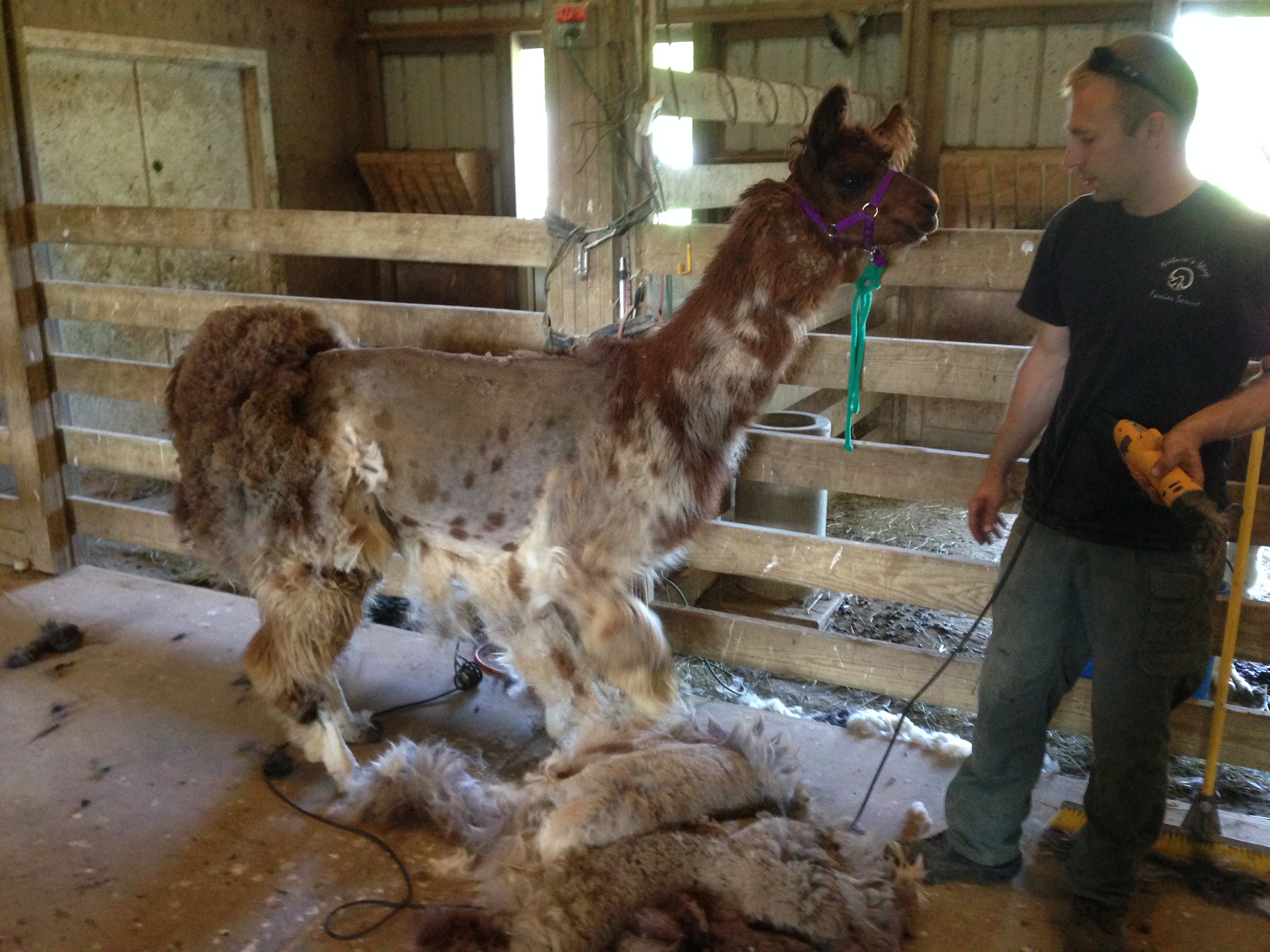
They just…stand there?
I’m not sure why, but most people seem to be under the impression that shearing is a knock down, drag out between us and the llamas. It’s really not. While some animals are more difficult than other–one particularly petulant little monster did manage to kick Jeremiah pretty good this year–most realize that having no wool feels far better than having gobs of it, and they will stand accordingly. (I’ve noticed their behavior for shearing is even better when it’s hot on shearing day.) Even our alpacas, who some people in the industry insist on laying out like sheep, stand very well to be shorn. I’ve heard horror stories of shearers who, for example, tie the animals’ feet and drop them to the ground. In my experience, that sort of procedure is traumatizing and unnecessary. Also, those shearers are the ones most likely to kill an animal by accidentally breaking it’s neck.
How do you decide who to shear first?
I have had several people ask me this year how I decide who to shear first and how I pick their haircuts. (We stretch shearing out over a week or so. Not everyone is shorn on the same day.) It’s fairly commonsense. If an animal looks hot, or has a risk factor (age, especially heavy wool, etc), he or she is shorn early. Older animals, however, end up keeping more of their wool (especially on the neck) because wool growth slows down as they age. I want to make sure they will be able to keep warm over the winter.
What do you do with all of that wool?
With twenty-eight wool-bearing camelids on the ranch, that’s a pretty fair question. Some of the wool is sold; some is given away. Some, especially the wool that isn’t as nice, is thrown out. (There are uses for that wool, such as felting or garden mulch, but I don’t really have the time to deal with it.)

Some, we use to take funny pictures.
Are any of you wondering about llama wool or shearing? (Or llamas in general?) I would love to field questions! Shoot!
These days, whenever anyone asks me how I’m doing, my answer is “exhausted.” It’s a good exhausted, the kind that comes with long days, late dinners, and working on something from roughly the time you get up until the time you finally sit down on the couch with a DVR’d sitcom for thirty minutes before you go to bed. The owners of the farm took off on Wednesday night, leaving us with the animals, the farm, and (most of) the house (they will be moving their remaining belongings out over the course of the summer). We will be renting the place over the summer and buying it as soon as our current place sells.
I officially walked through the house with Jeremiah on Thursday. There is plenty of work to be done; a new window in the living room tops the list.
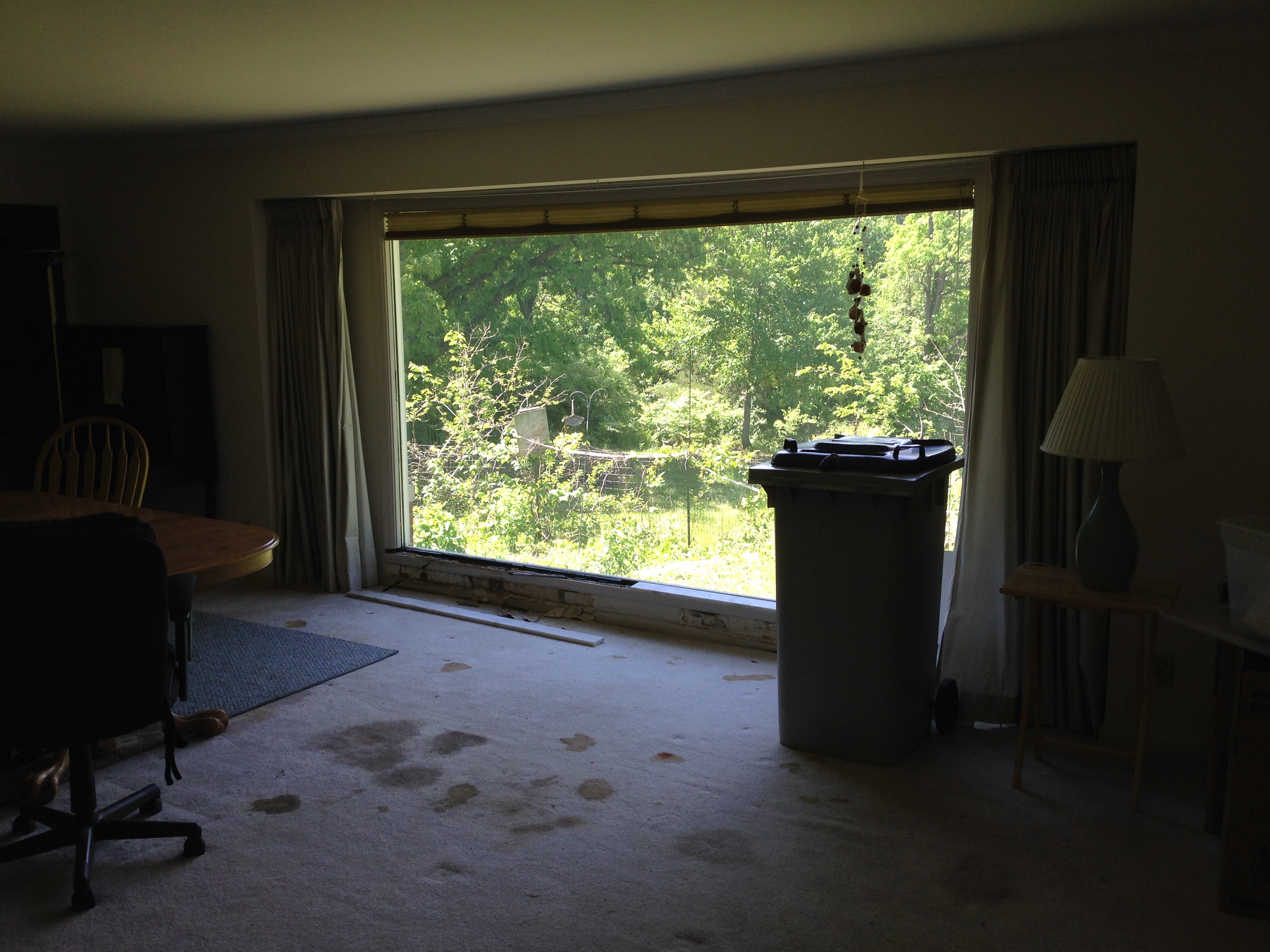
There are also several rooms that need new flooring, a bathroom slated for a remodel, and a kitchen that could use updates. Most of that, however, will have to wait until we sell our current house. Equity should pay for some of the items on the list.
Until then, we’re working through a list of items that mostly require “sweat equity,” as well as all of those things that need to get done regularly on a ranch. Yesterday was a 12 hour day on the ranch that started with shearing and continued without many stops until we left for the evening. My pet projects are the two rooms inside the barn (tack room and feed room). I have been working on cleaning out the tack room (formerly office/classroom) for three days now, and I’m excited to say that I can see the light at the end of the tunnel. Of course, that light is to be followed immediately by painting …which is about as much fun as cleaning. But, with this project, I can see the end result of a highly functional tack room with a cozy little corner for the barn kitties in my mind already. That makes it easier.
And today? Today my guy took off early this morning to take care of the critters so that I could finally take some time to update this thing. He’s probably well into some of his projects already, and I’m still sitting in pajamas. (God Bless that Man.) I will head out there in a bit and get back to it, taking some time first to swing by my parents house and drop off my dogs. (They have been spending a lot of time there lately. I don’t have a fence for them at the new place yet, and I hate to leave them for long stretches in their kennels, so they go to the “grandparents’ house” where they are spoiled rotten.) Then, I’ll be back at it.
For now, check out the friend I made yesterday!
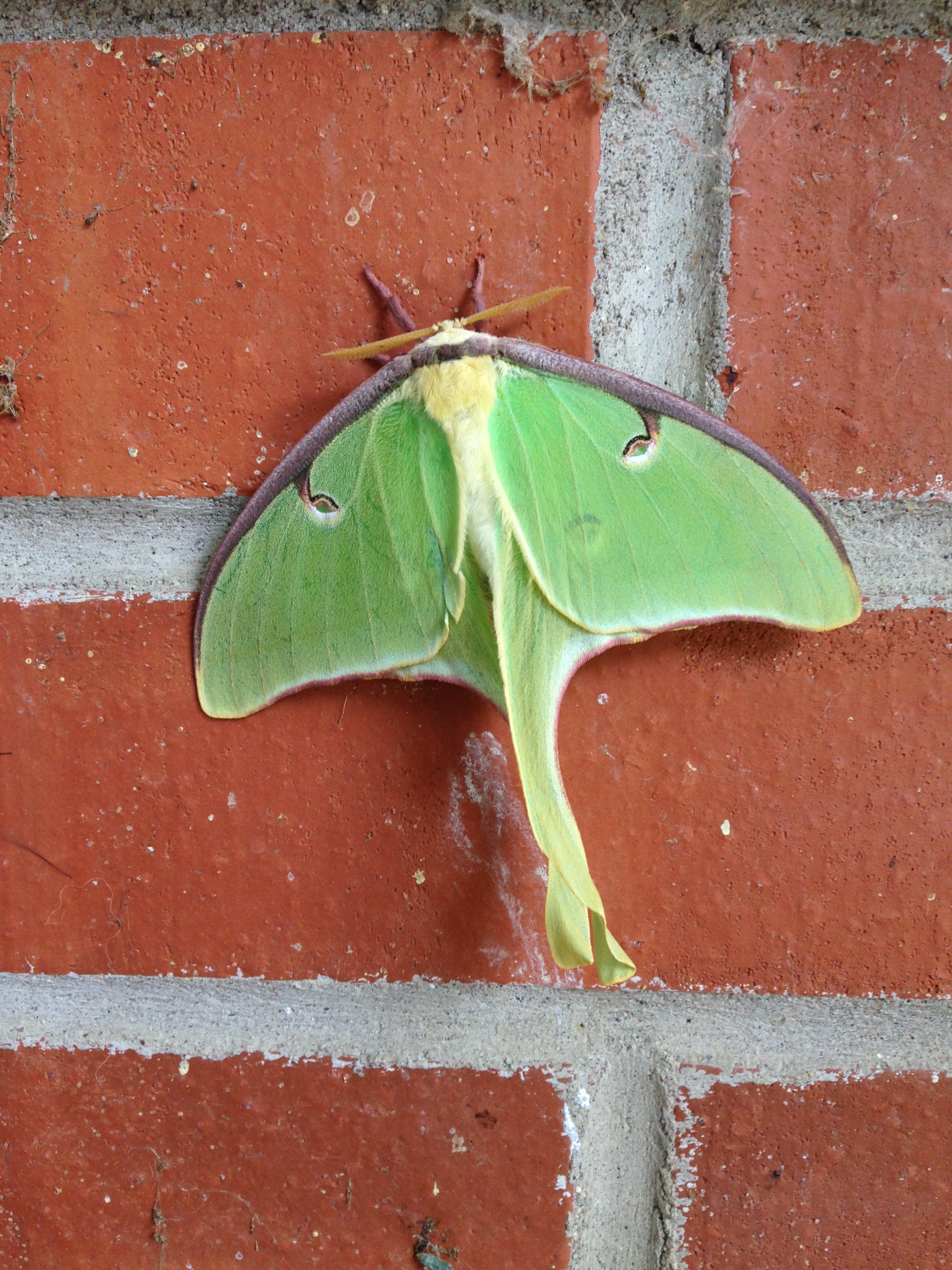
I love that ranch.
One of my goals for the new property has been a big veggie garden. BIG. There are several motivations behind it. The first is that we have the space…and all the free compost you could ever want. (Llama dung compost is literally some of the best fertilizer on the planet. It’s awesome!)
Second, I love the taste of fresh veggies and fruits. Nothing beats it. I especially love the taste of homegrown food in the middle of winter. My frozen tomatoes are far superior to the canned stuff from the grocery store. Completely changes the taste of soups and chilis when things get cold.
Third, and perhaps most important, I’m passionate about locally sourced food, knowing where my food comes from, and sustainable eating. I am NOT perfect about this. But I try. Not only does locally sourced food taste better (because it can be picked ripe), it’s better for the planet. That isn’t to say that I will start raising my own meat (nope…nope, nope, nope), but I will be happy to enjoy my own produce! Besides, locally sourced, sustainably raised meat? That’s what farmer’s markets are for.
Anyway, Katie and I started planting on Sunday. We basically planted until we were exhausted, which was about halfway done.

The garden is fenced on all sides. It’s as big as it looks.

The soil is passable right now. In a few years, with the help of plenty of compost, it should be fantastic.


The garden is surrounded by pastures, so we were surrounded by curious llamas as we planted. Even Cinco (one of my horses) stood at the corner of his field to watch us for a while.

This boy, especially, hung around. As soon as we started watering, he came over to request that this legs be sprayed (if you look really close you can see the water from the hose in the above photo). He then played in the water for several minutes. Llamas love water!
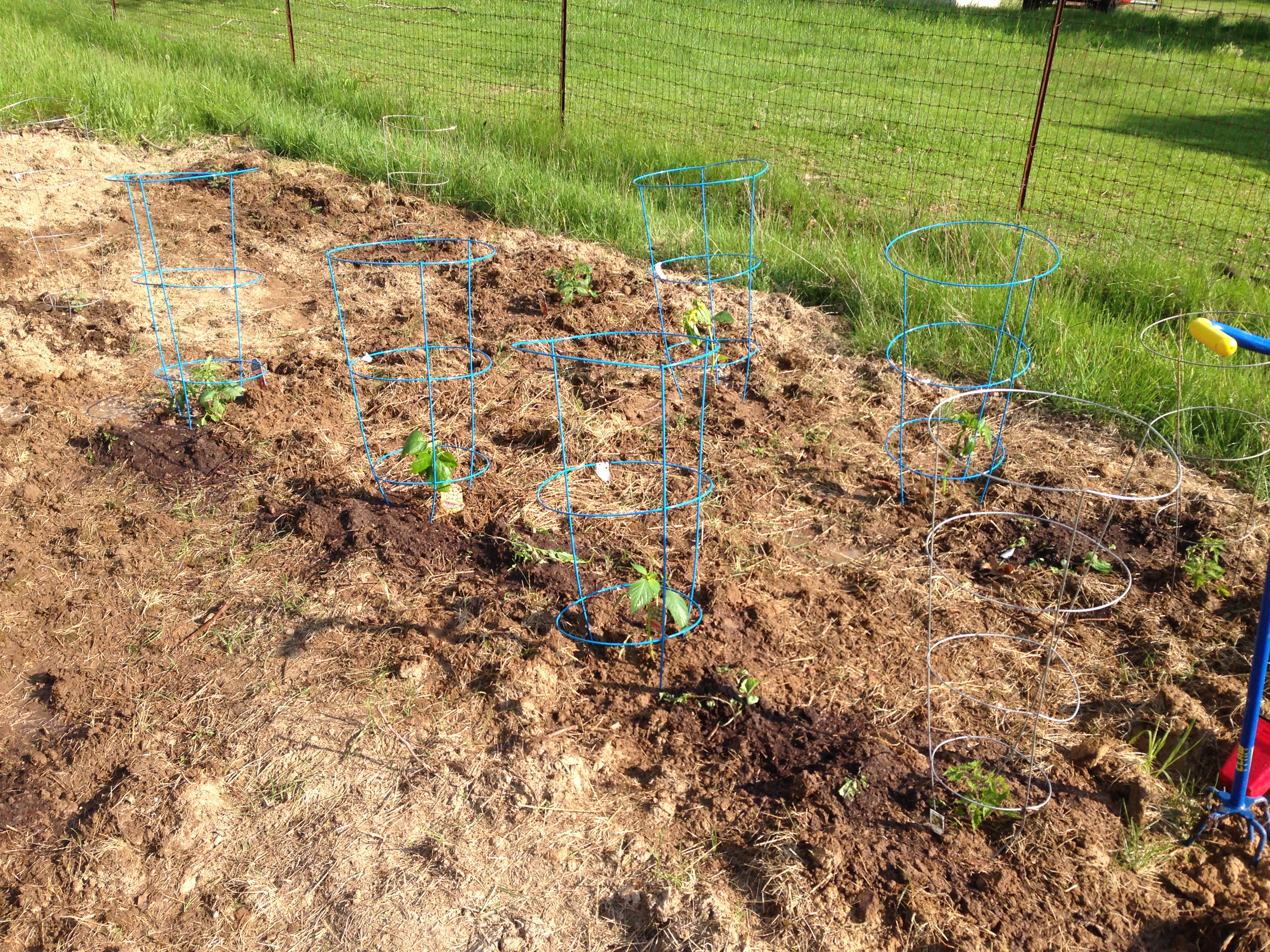
By the end of the day, Katie and I had planted pumpkins (two varieties), lots of squash, cantaloupe, watermelon, rhubarb, four varieties of tomatoes, tomatillos, and peppers.
We still have a bunch of planting to go…but it’s a start.
Unrelated note?

This gate/fenceline was started over the weekend as well. I asked my husband for a dog fence with a pretty gate. He is giving me the gate to the Mongolian Empire. I will update you as that project progresses.
 Almost Farmgirl